
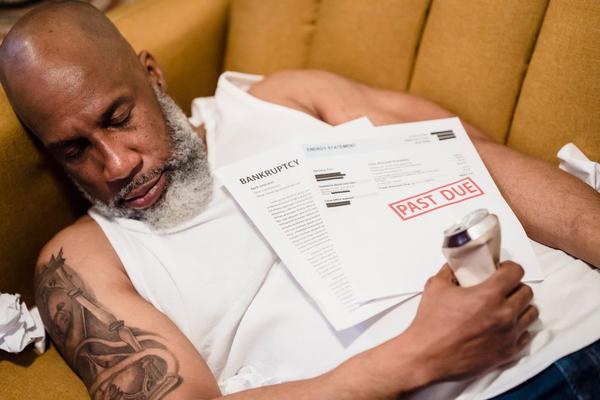
A bankruptcy discharge can erase many unsecured debts, but it does not make every bill disappear. Some obligations survive because federal law excludes them from discharge. Understanding nondischargeable debts in bankruptcy is especially important when support payments, taxes, or student loans account for a substantial share of what you owe.
There is another distinction worth knowing: a debt may be discharged while a creditor’s lien against property remains enforceable. Both situations can affect life after bankruptcy, but for different reasons.
What Does Nondischargeable Mean?
A discharge generally eliminates personal liability for qualifying debts and stops creditors from collecting them. Section 523 of the U.S. Bankruptcy Code creates exceptions for specified obligations. Some bankruptcy exceptions reflect the purpose of a debt; others concern misconduct or the circumstances in which it arose.
Not all exceptions work automatically. For certain claims, including many fraud allegations, a creditor must file a timely lawsuit called an adversary proceeding and prove the grounds for nondischargeability. Other categories remain payable without that type of ruling. The outcome also depends on whether the person files under Chapter 7 or Chapter 13.
Common Debts That May Remain After Bankruptcy
Child Support and Spousal Support
Qualifying domestic support obligations, including child support and alimony, generally survive both Chapter 7 and Chapter 13. Past-due support does not disappear merely because a bankruptcy case ends, and ongoing payments remain due.
Not every payment required by a divorce agreement qualifies as support. Property-settlement obligations have different rules, especially in Chapter 13.
Certain Taxes
Many tax obligations are debts not discharged in bankruptcy. Recent income taxes, some priority taxes, liabilities involving unfiled returns, and taxes connected to fraudulent returns or willful evasion may survive. Some older income taxes can qualify for discharge when detailed statutory requirements are met.
Return due dates, actual filing dates, assessment dates, extensions, and earlier proceedings can change the result. An existing tax lien may also continue to affect property even where personal liability for a tax is discharged. A tax professional familiar with bankruptcy can review the relevant records.
Most Student Loans
Federal student loans and many qualifying private education loans usually survive unless the borrower establishes that repayment would impose an undue hardship. This normally requires a separate adversary proceeding rather than just filing the bankruptcy petition.
Student-loan discharge is possible. The Department of Justice and Department of Education use a standardized review process in federal student-loan undue-hardship cases. Some private educational debts may also fall outside the legal definition covered by the exception. The actual loan terms matter.
Criminal Penalties and Impaired-Driving Injuries
Criminal fines and restitution often survive, subject to the applicable statutory provisions and bankruptcy chapter. Debts for death or personal injury caused by unlawfully operating a vehicle, vessel, or aircraft while intoxicated are specifically excluded from discharge.
By contrast, an ordinary civil judgment does not become nondischargeable simply because a court entered it. The legal basis for the judgment matters.
Fraud and Intentional Misconduct
Debts for money or property obtained through fraud or qualifying false representations may survive when the creditor establishes the statutory conditions. Certain obligations arising from fiduciary fraud, embezzlement, or larceny are also excluded.
In Chapter 7, debts for willful and malicious injury to another person or property may be nondischargeable. Chapter 13 distinguishes certain personal-injury awards from property-damage claims. A creditor’s accusation alone is not the same as a court finding, and procedural deadlines can be decisive.
Divorce Settlements and Special Assessments
Chapter 7 can leave intact qualifying divorce-related debts owed to a spouse, former spouse, or child even when they are not classified as support. Some non-support property settlements can be discharged following completion of a standard Chapter 13 plan.
Other exceptions cover certain retirement-plan obligations and qualifying homeowners-association or condominium fees arising after a bankruptcy filing. These special categories have specific legal conditions.
Why the Bankruptcy Chapter Changes the Answer
Chapter 7 generally provides a discharge without a years-long payment plan, but it has numerous exceptions. A standard Chapter 13 discharge follows completion of a repayment plan and can reach some debts that Chapter 7 cannot.
For example, a non-support divorce property settlement may survive Chapter 7 yet be dischargeable in an ordinary completed Chapter 13 case. Child support remains nondischargeable in both. Fraud-based claims and many student loans may also survive Chapter 13. A limited Chapter 13 hardship discharge follows different rules from a normal plan-completion discharge.
Comparing the differences between Chapter 7 and Chapter 13 bankruptcy can help explain why two people with similar debts receive different results.
When an Obligation Survives for Another Reason
A surviving creditor right is not necessarily a nondischargeable personal debt. A mortgage or vehicle lien may remain attached to collateral after the associated personal obligation is discharged. The creditor may still have rights against the property if required payments are not made.
Bankruptcy also generally does not release a nonfiling co-signer from liability. Debts incurred after the petition are ordinarily outside that case’s discharge. Omitting a creditor from the bankruptcy schedules can cause further complications, depending on the circumstances and governing law.
For more context, reviewing what happens to secured debts after bankruptcy helps separate personal liability from property rights.
A Practical Example Before You File
Suppose someone owes credit card balances, overdue child support, a car loan, and a federal student loan. The credit card balances may be discharged, but the support arrears generally remain. The student loan ordinarily survives absent an undue-hardship ruling. Meanwhile, the lender’s security interest in the car may remain enforceable even if personal liability changes.
Make a simple debt inventory before filing. Record the creditor, balance, account type, collateral, and any relevant court order. Gather tax returns, divorce decrees, loan agreements, and collection notices. A bankruptcy attorney can then identify potential surviving debts and assess whether a special proceeding is necessary. Readers unfamiliar with the overall process may also benefit from understanding how bankruptcy discharge works.
Frequently Asked Questions
Are credit card debts usually discharged?
Most ordinary unsecured credit card balances are potentially dischargeable. Particular charges may trigger fraud-related exceptions if the applicable conditions are proven.
Can student loans ever be discharged?
Yes. A borrower may qualify through an undue-hardship proceeding, and some education-related debts may not fall within the statutory exception. Outcomes depend on the loan and circumstances.
Does bankruptcy erase back child support?
No. Qualifying domestic support obligations generally survive bankruptcy, including past-due amounts. Current support payments also continue.
Can creditors collect after discharge?
They generally cannot collect discharged personal debts. They may still pursue genuinely nondischargeable obligations or enforce certain surviving liens. Seek legal advice if a collection demand appears inconsistent with the discharge order.
What to Take Away
Bankruptcy offers substantial relief, but it does not promise a clean slate for every obligation. Support, certain taxes, many student loans, specified penalties, and debts tied to misconduct are among the most common surviving debts. Identifying the exact exception, bankruptcy chapter, and any lien rights before filing makes the financial picture after discharge much clearer.