
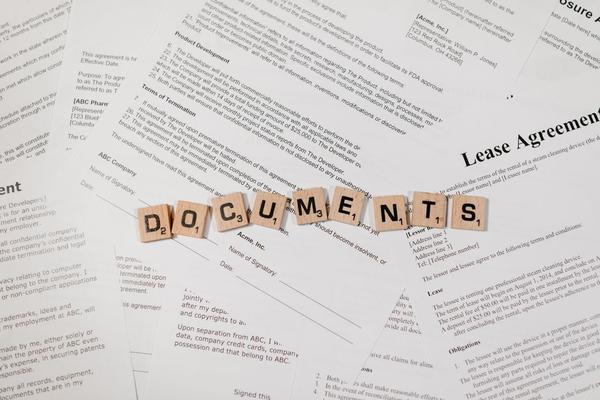
Ending a rental agreement is not always as simple as handing over the keys. The rules depend on whether the lease has a fixed end date, renews monthly, or is being terminated because someone breached the agreement. Lease termination laws also vary by state and sometimes by city, so a notice that works in one location may be ineffective in another.
Fixed-Term Leases and Periodic Tenancies Follow Different Rules
When a Fixed-Term Lease Reaches Its End
A fixed-term lease generally runs until its stated expiration date, such as the end of a one-year agreement. It ordinarily ends on that date without the same notice used to terminate a month-to-month tenancy. However, a renewal clause, a contractual notice requirement, or state law may require advance action to prevent renewal or conversion to a periodic rental.
Ending a Month-to-Month Rental
A periodic tenancy continues from one rental period to the next until properly terminated. For month-to-month arrangements, approximately 30 days is a common notice period, but it is not a nationwide rule. Some jurisdictions require a different number of days, a full rental period, or longer notice from landlords than from tenants.
How Lease Termination Notice Deadlines Work
A valid lease termination notice normally identifies the rental property, the parties, and the intended termination date. Depending on local law and the reason for termination, it may also need specific legal language, an explanation of the grounds, or information about a tenant’s right to correct a violation.
Do not assume that the deadline runs from the day the notice was written. Service rules can make the delivery or receipt date important. Jurisdictions also differ on calendar-day counting, weekends, holidays, and whether the tenancy must end at the close of a rental period.
A Practical Deadline Example
Suppose rent is due on the first of every month and a tenant wants to leave on June 30. Sending an email on June 2 may be too late if 30 full days of notice are required, especially if email is not an approved delivery method. A rule requiring notice before the start of the final rental period could produce a different deadline again.
When Can a Tenant End a Lease Early?
Tenant termination rights depend on the agreement and applicable law. Moving for a new job or buying a house does not automatically cancel a fixed-term lease. Without a recognized legal ground or a negotiated release, the tenant may remain responsible for rent, a permitted termination charge, or other losses.
Possible routes include a contractual early-exit clause, a written agreement with the landlord, or a statutory right arising from qualifying circumstances. Some state laws protect tenants affected by domestic violence, serious habitability failures, or other specified events. Eligibility, required documentation, and notice procedures differ considerably.
Federal Protection for Qualifying Military Service
The Servicemembers Civil Relief Act allows eligible servicemembers to terminate residential leases in circumstances such as entering military service or receiving qualifying relocation or deployment orders. Proper written notice and supporting orders are required. For leases with monthly rent, the effective termination date is generally 30 days after the next rent due date following delivery of notice.
Qualifying termination under this federal law cannot be penalized with an early termination fee. Because the timing rules are specific, servicemembers should consult their military legal assistance office rather than rely on an ordinary lease-break clause.
When Can a Landlord Terminate the Tenancy?
Landlords may have grounds to end a tenancy for nonpayment of rent, significant lease violations, or other causes recognized by law. The appropriate notice often depends on the problem. A notice concerning unpaid rent may give the tenant time to pay, while another type may demand that a violation be corrected or the property vacated.
For example, California court guidance distinguishes short notices for certain breaches from 30-day or 60-day notices used in some month-to-month termination situations. California’s just-cause protections can restrict those longer notices and impose additional requirements. The California example should not be treated as a national deadline.
A notice is not the same as a court eviction order. If a tenant remains after a lawful termination, the landlord generally must follow the judicial eviction process rather than change locks, remove belongings, or cut off utilities.
What Happens to Rent, Fees, and Deposits?
Early departure does not automatically eliminate financial obligations. The enforceability of lease-break charges, the landlord’s duty to reduce losses by seeking another tenant, and responsibility for remaining rent all depend on state law and the contract. A landlord cannot assume every listed fee is legally collectible.
Security deposits follow separate rules. A deposit is not automatically a substitute for the final month’s rent, and deductions or return deadlines may be regulated. Before moving out, document the property’s condition, return the keys as agreed, and provide a forwarding address. For more context, review guidance on security deposit return deadlines and tenant move-out inspections.
How to End a Rental Lease Without Creating a Dispute
Start with the signed lease and any amendments. Compare its termination and renewal provisions with current state law and local ordinances. Then prepare a dated written notice that states the intended end date and, where required, the reason for termination.
Deliver it through a legally accepted method and retain a copy, tracking record, or acknowledgment. If both sides agree to end a fixed-term lease early, put the release in writing and specify the last rent payment, move-out date, deposit treatment, and whether any further rent is owed. Related guidance on eviction notice procedures can help explain why notices for breach are different from ordinary move-out notices.
Frequently Asked Questions
Is 30 Days’ Notice Always Enough to End a Rental Lease?
No. Thirty days is common for some periodic tenancies, but the required notice depends on the state, local protections, the lease, and which party is giving notice. Fixed-term leases can have separate renewal or early-termination conditions.
Can a Landlord End a Lease Without Giving a Reason?
Sometimes, but not everywhere. Some periodic tenancies can be ended without alleging misconduct, while just-cause laws require landlords to identify an approved ground. Fixed-term leases generally cannot be ended early simply because a landlord changes plans.
Can a Tenant Break a Lease Without Paying a Penalty?
Yes, in certain circumstances, including qualifying federal military protections, applicable state statutory rights, or a written agreement releasing the tenant. Otherwise, lawful rent obligations or agreed charges may still apply.
Does a Termination Notice Mean Immediate Eviction?
No. A termination notice and a court-ordered eviction are different steps. A landlord seeking possession after a tenant refuses to leave ordinarily must use the applicable court process and comply with notice and service requirements.
Final Thoughts
Lease termination laws are best understood as a combination of contract terms, notice deadlines, and legal protections. Identify the tenancy type first, confirm whether cause is needed, and calculate the deadline using the rules where the property is located. When the stakes are high, state court self-help resources, local tenant agencies, or a qualified attorney can clarify the lawful next step.