
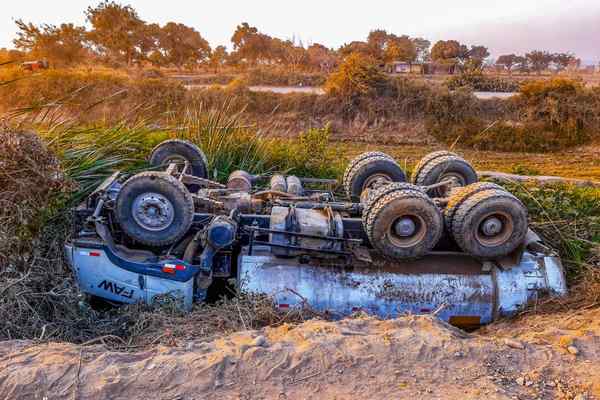
When a big rig slams into a passenger vehicle, the aftermath rarely involves just one driver and one insurance company. Truck accidents operate in a different legal universe than ordinary car crashes, and when someone dies in one, families are often surprised to learn just how many parties could share the blame. A truck accident wrongful death claim isn’t simply about proving who ran the red light. It’s about untangling a web of responsibility that can stretch from the driver’s seat all the way to a corporate office hundreds of miles away.
This is what makes trucking cases so different from typical wrongful death claims. Multiple layers of liability mean multiple potential sources of compensation, but it also means more complexity, more paperwork, and more parties trying to point fingers elsewhere. Understanding who can actually be held responsible is the first step toward building a claim that holds up.
Why Truck Accident Wrongful Death Claims Are Different
A standard car accident claim usually involves two drivers and their respective insurers. A big rig fatal accident, by contrast, often involves a commercial driver, an employer, a leasing company, a manufacturer, and sometimes even a third-party logistics broker. Each of these parties operates under separate regulations, separate insurance policies, and separate legal duties.
Federal Motor Carrier Safety Administration (FMCSA) rules add another layer that doesn’t exist in ordinary crash cases. Hours-of-service limits, mandatory inspections, driver qualification standards, and cargo securement rules all create additional grounds for liability. When a trucking company or driver violates one of these regulations and someone dies as a result, that violation can become powerful evidence in a wrongful death truck crash claim.
Who Can Be Held Liable in a Fatal Truck Accident?
The Truck Driver
The most obvious starting point is the driver. Fatigue, distraction, speeding, and driving under the influence remain leading causes of fatal truck crashes. Drivers pushed to meet unrealistic delivery schedules sometimes exceed legal driving hours, and that fatigue can be just as dangerous as intoxication. If the driver acted negligently or violated safety regulations, they can be named directly in the claim.
Trucking Company Liability
Trucking company liability often carries the most weight in these cases, and for good reason. Under the legal doctrine of vicarious liability, employers are generally responsible for the actions of their employees while on the job. But liability doesn’t stop there. Companies can also be held directly liable for their own failures, including:
Negligent hiring practices, such as putting an unqualified or previously cited driver behind the wheel. Inadequate training on safety procedures or vehicle handling. Poor vehicle maintenance schedules that allow known mechanical issues to go unaddressed. Pressuring drivers to violate hours-of-service rules to hit delivery deadlines.
Because trucking companies typically carry substantial commercial insurance policies, they’re often a primary target in a truck accident wrongful death claim, both because of the scope of their responsibility and the depth of their coverage.
The Vehicle or Parts Manufacturer
Not every fatal crash traces back to human error. Sometimes the failure originates in the equipment itself. Defective brakes, tire blowouts caused by manufacturing flaws, faulty steering components, or malfunctioning trailer hitches can all trigger a product liability claim against the manufacturer. These cases require technical investigation, often involving accident reconstruction experts who can pinpoint whether a mechanical failure, rather than driver error, caused the crash.
The Cargo Loading Company
Improperly loaded or secured cargo is an underappreciated cause of catastrophic truck accidents. Shifting loads can cause a truck to jackknife or roll over, while overloaded trailers affect braking distance and stability in ways that can be lethal at highway speeds. If a separate company was responsible for loading the cargo and failed to secure it properly, that company can bear its own share of liability, independent of the driver or the trucking company.
Third-Party Maintenance Providers
Many trucking companies outsource maintenance to independent contractors. If a mechanic or maintenance shop failed to catch a critical safety issue, such as worn brake pads or a cracked axle, that negligence can extend liability beyond the trucking company itself.
Building a Wrongful Death Truck Crash Claim
Because so many parties may share fault, evidence gathering in these cases tends to be more involved than in a typical car accident claim. Investigators often look at electronic logging device (ELD) data to verify hours of service, driver qualification files, maintenance records, black box data from the truck itself, and cargo manifests. This is also why acting quickly matters. Trucking companies are required to retain certain records for limited periods, and some evidence can be lost or overwritten if it isn’t preserved early through a formal legal request.
Families pursuing a claim should also understand that damages in a wrongful death case typically cover more than funeral expenses. Lost future income, loss of companionship, medical bills incurred before death, and the surviving family’s pain and suffering can all factor into the value of a claim.
Frequently Asked Questions
Who is usually held most responsible in a truck accident wrongful death claim?
It depends on the facts, but trucking company liability is often central because employers are generally responsible for their drivers’ actions on the job, and companies frequently share direct fault through hiring, training, or maintenance failures.
Can more than one party be sued in a big rig fatal accident?
Yes. It’s common for a claim to name the driver, the trucking company, and sometimes a manufacturer or maintenance provider, especially when multiple factors contributed to the crash.
How long do families have to file a wrongful death truck crash claim?
Deadlines vary significantly by state, so it’s important to check local statutes of limitations as soon as possible. Waiting too long can also mean losing access to critical evidence like electronic logs or maintenance records.
What compensation can be recovered in these claims?
Depending on the circumstances, families may be able to recover funeral and medical expenses, lost income and future earnings, and compensation for loss of companionship and emotional suffering.
Final Thoughts
Losing a loved one in a truck accident is devastating enough without also having to untangle a complicated web of corporate responsibility. But understanding who can be held liable, from the driver to the trucking company to the parties behind the cargo and maintenance, gives grieving families a clearer path forward. A truck accident wrongful death claim isn’t just about assigning blame. It’s about holding every responsible party accountable and securing the resources a family needs to move forward after an unimaginable loss.